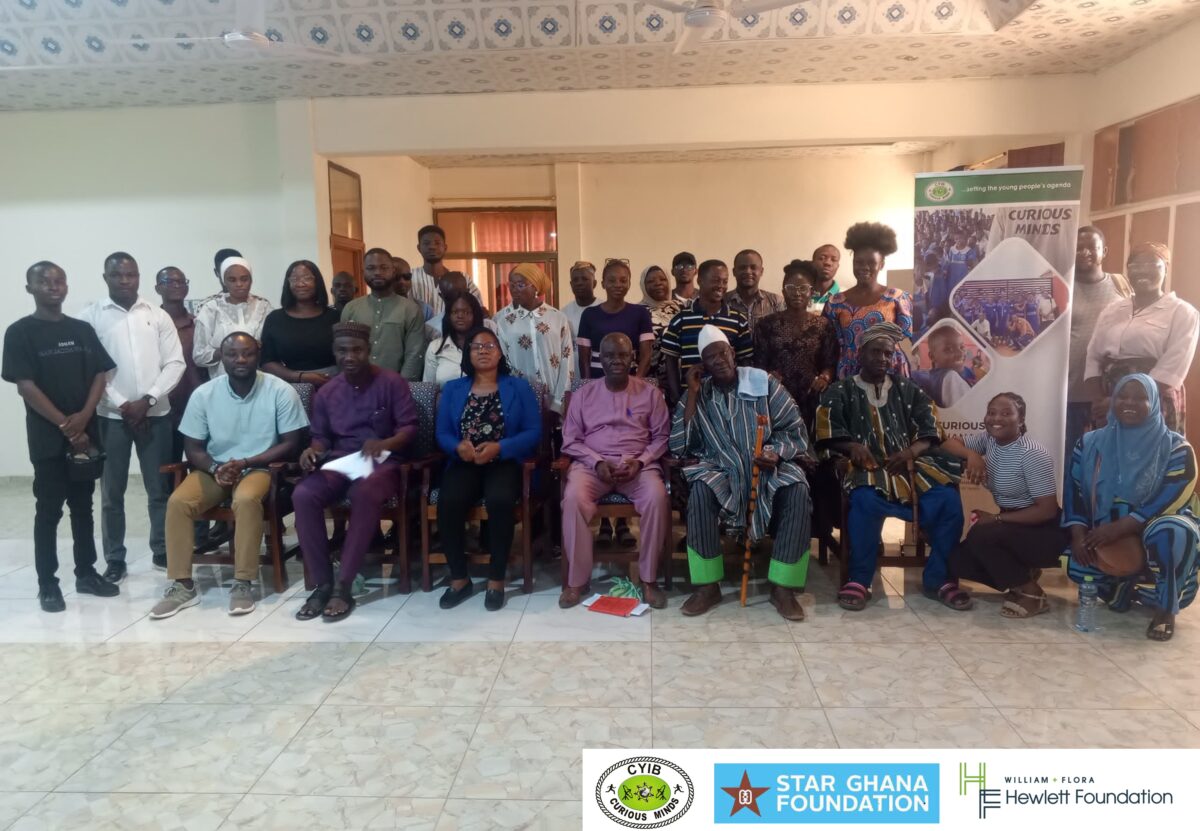

Curious Minds Ghana Takes Action Against Teenage Pregnancy by Empowering Youth Champions in Asene Manso Akroso District, Eastern Region.
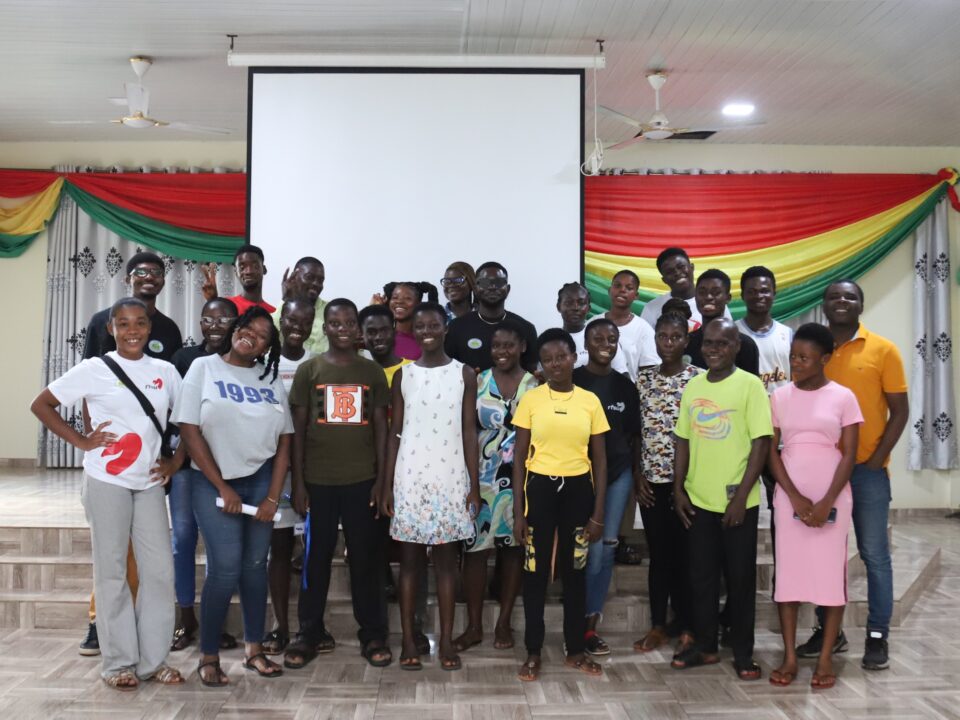
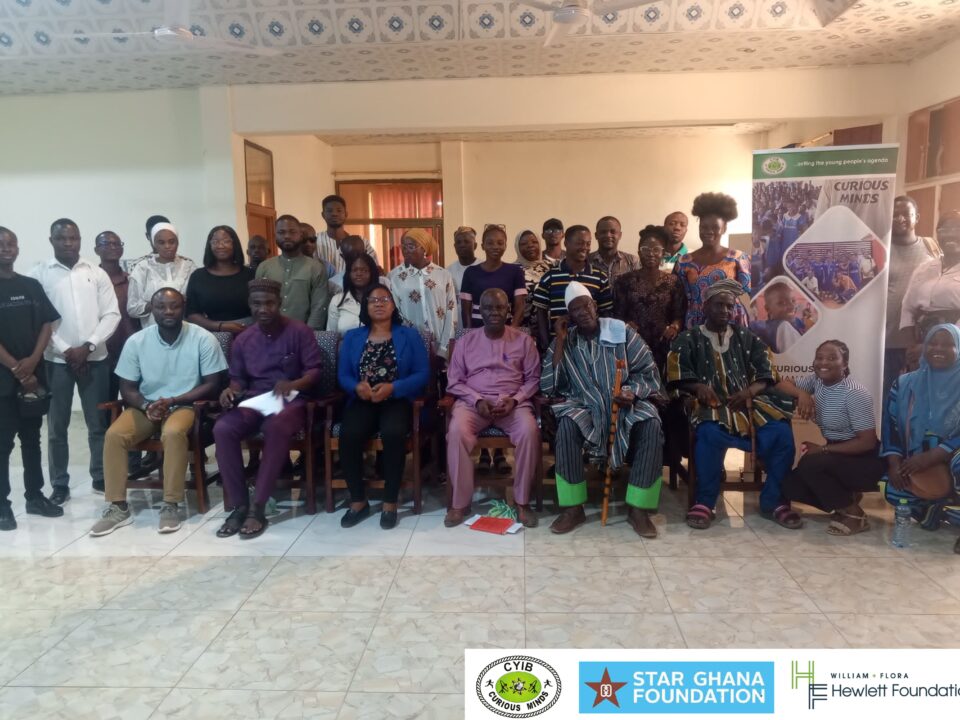
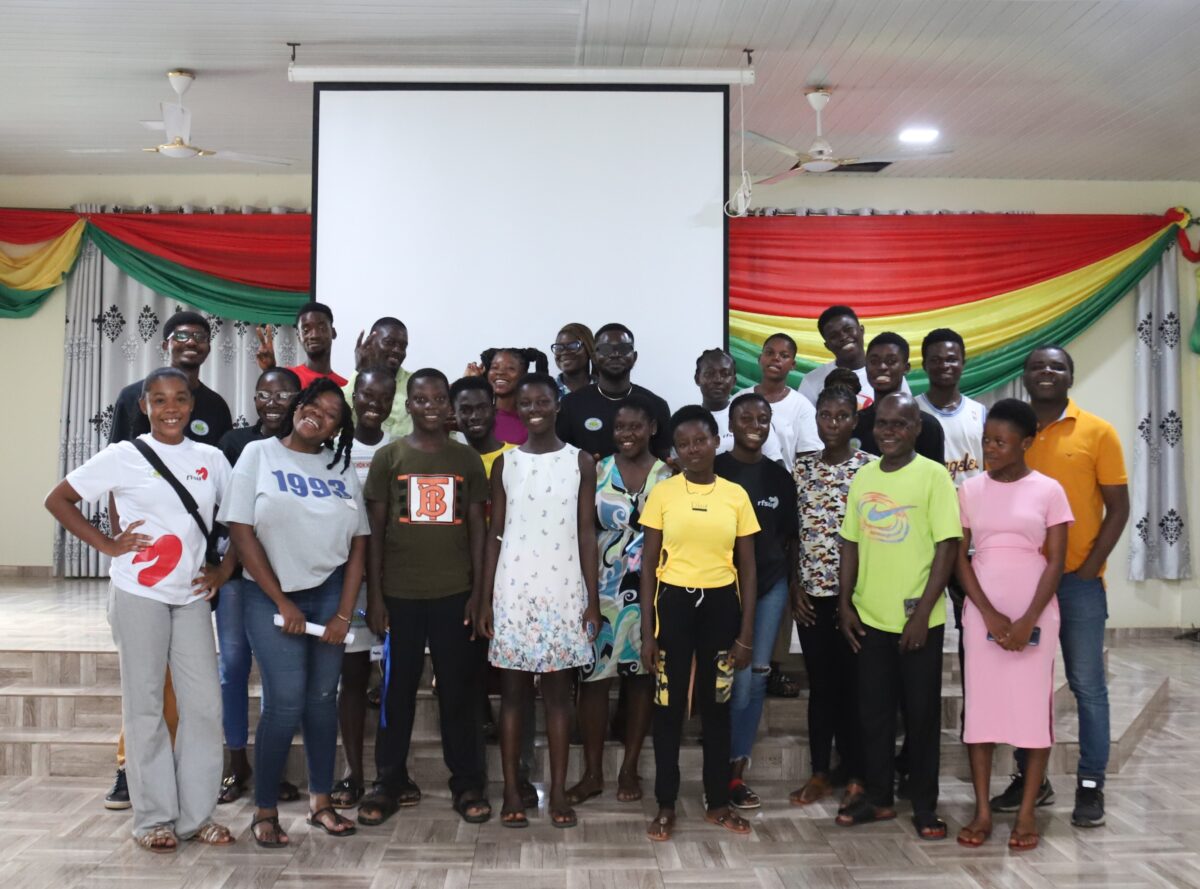
April 30, 2025In a move to break the silence around adolescent sexual and reproductive health, Curious Minds gathered and engaged over 2,000 senior high school students in the Asene Manso Akroso District, for a two-day in-school colloquium on Sexual and Reproductive Health and Rights (SRHR). Held on July 17 and 18 at Atweaman Senior High School (ASHIS) and Akroso Senior High Technical School (AKROSTEC), the event empowered students to openly discuss issues often clouded by stigma, misinformation, and fear.
Under the theme “Shaping the Future Through Quality Sexual and Reproductive Health and Rights,“ the colloquiums created a safe space for young people to learn, question, and challenge harmful myths in a district where teenage pregnancy and sexual health misconceptions remain pressing concerns.
Organized in collaboration with the Ghana Health Service, Ghana Education Service, and the Department of Social Welfare, the program went beyond lectures; encouraging students to voice real-life concerns, seek guidance, and become advocates for their own well-being.
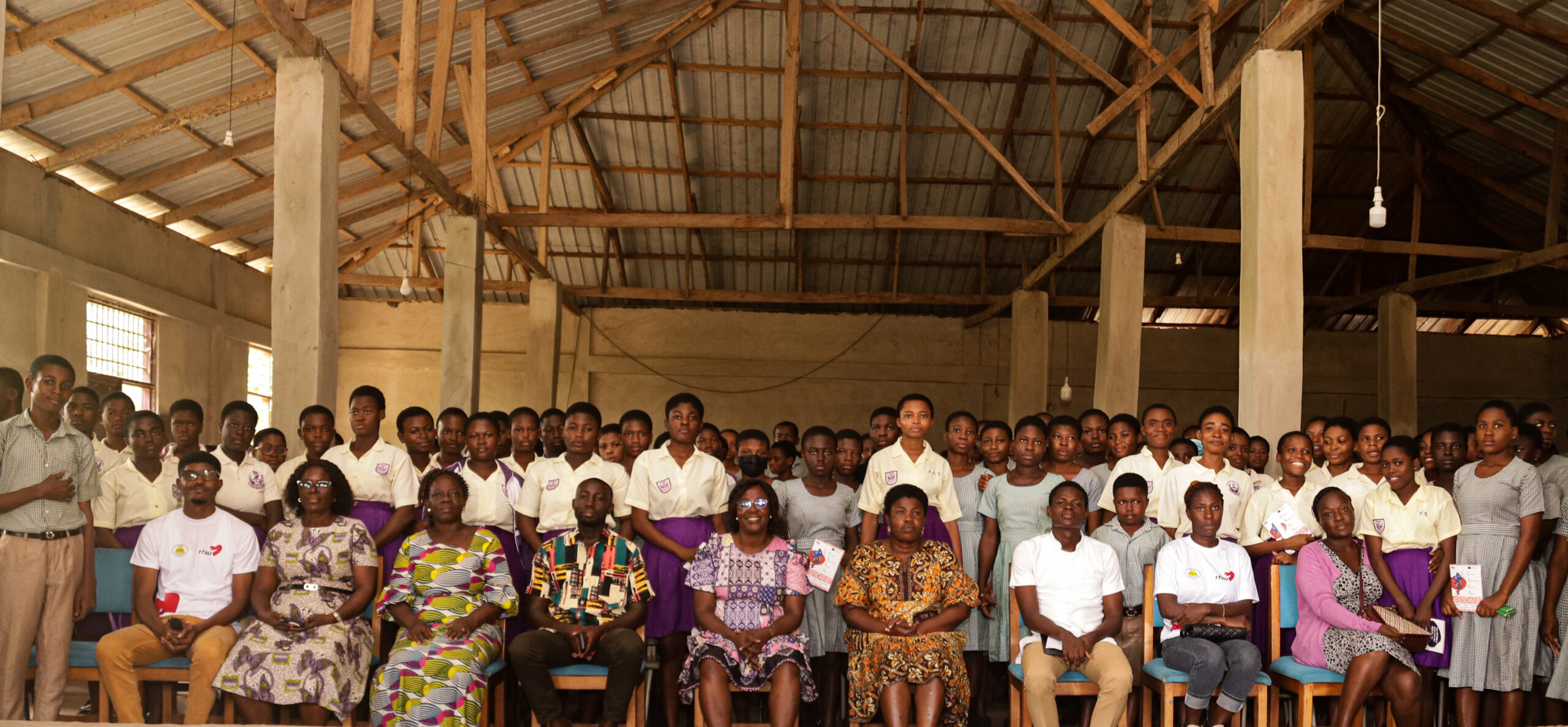
“We believe that education is the first defense against the many risks young people face. It’s not just about preventing teenage pregnancy, it’s about giving students the confidence to take charge of their future,” a school worker shared.
Over the two days, students engaged with topics including consent and boundary-setting, abstinence and chastity, teenage pregnancy, menstrual hygiene, STIs and the dangers of misinformation, as well as myths and misconceptions about sexual and reproductive health.
The sessions were interactive, with facilitators encouraging students to share their thoughts, ask questions, and challenge prevailing myths. Discussions were held in both English and Twi, ensuring accessibility and understanding.
The students were not passive listeners; from thought-provoking questions to bold expressions of opinion, they demonstrated their willingness to learn and lead change. Some of the concerns voiced included:
- “What should a student do when a teacher is sexually harassing them?”-asked anonymously by a student from AKROSTEC.
- “What can a lady do when a man tries to force her into sex without her consent? How can we deal with sexual harassment?” asked by a group of female students from AKROSTEC.
- “Is there any law that protects boys when an older partner reduces their age on paper—claiming they are under 18—especially in cases of early pregnancy or legal challenges?” asked by a male student from AKROSTEC.
- “Why does our menstrual cycle sometimes change as ladies?” asked by a female student.
- “Is it true that if a young man doesn’t start having sex early, he will have low sperm count after age 40?”—a question from a first-year student at Atweaman SHS.
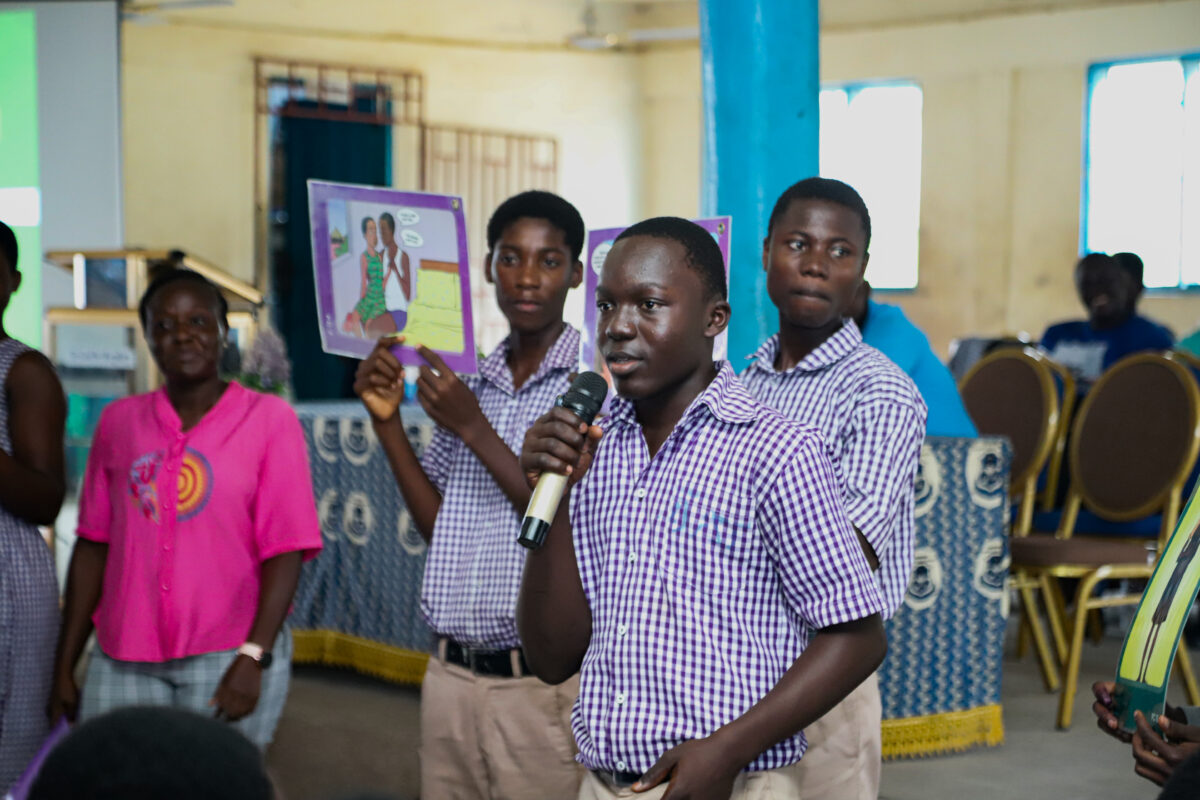
These questions sparked open, respectful discussions led by representatives from the Ghana Health Service, Ghana Education Service, and other partners, who addressed the students’ concerns with empathy, factual information, and guidance.
Responding to students’ concerns, the District Guidance and Counseling Coordinator from the Ghana Education Service emphasized that it is unethical and unprofessional for teachers to engage in any sexual relationship or harassment of students. She urged students to report such incidents directly to school authorities and also reminded them to maintain mutual respect by refraining from harassing teachers. The Assistant Headmaster for Academics at Akroso Senior High Technical School reinforced this message, encouraging students to report any inappropriate behaviour directly to the headmistress. He assured students that such cases are taken seriously and will not be ignored.
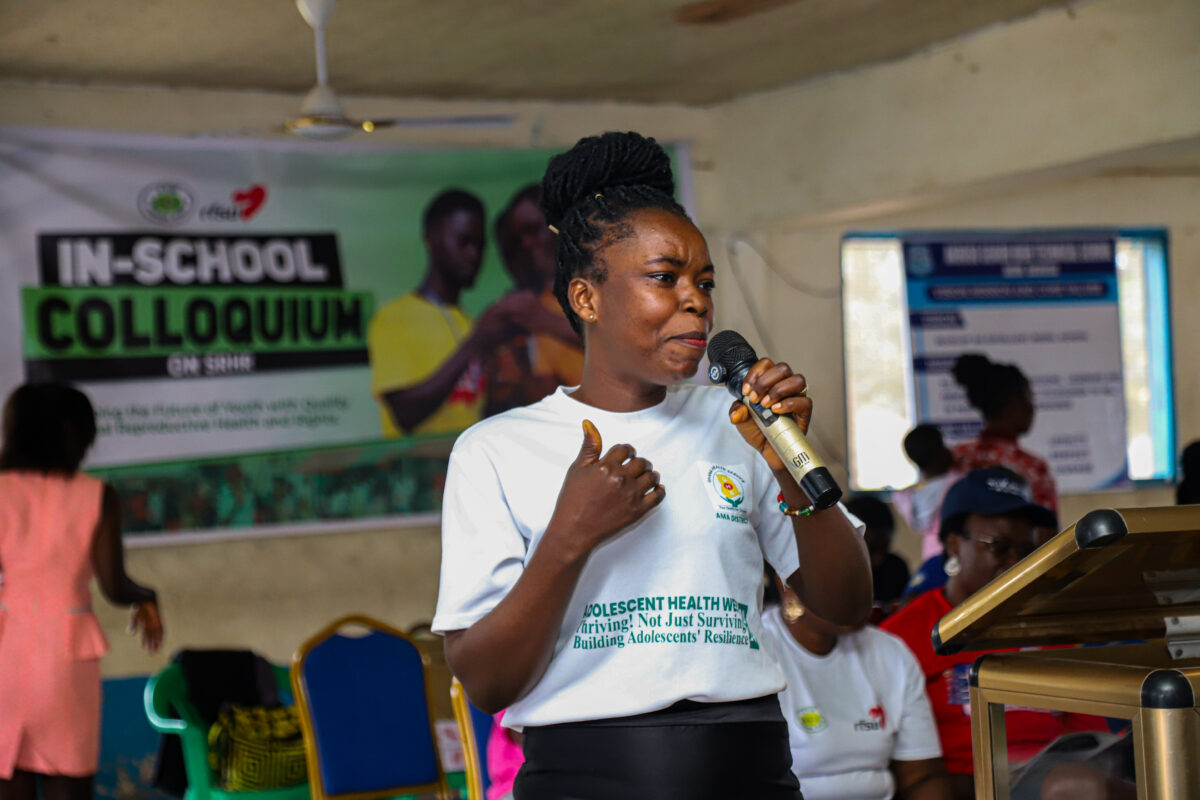
A representative from the Ghana Health Service also addressed the issue of age misrepresentation in relationships. He clarified that it is illegal for anyone to falsify their age, especially in cases related to sexual activity or pregnancy. He advised students, particularly boys, to verify and, where appropriate, keep a record of their partner’s age. This could include keeping a copy of an ID card to help prevent potential legal complications.
According to recent local health data, the Asene Manso Akroso District continues to face high rates of teenage pregnancy and sexually transmitted infections among adolescents. Initiatives like this in-school colloquium are critical in addressing these challenges by providing students with accurate information, safe spaces for dialogue, and the confidence to make informed decisions.
Participants left the sessions feeling empowered and eager for more opportunities to engage. Many called for regular forums of this nature to be held across schools and communities. “It shouldn’t end here,” a student from Atweaman SHS remarked. “We want more conversations like this that are open, honest, and judgment-free.” In response, the headmistress of Atweaman Senior High School pledged to install suggestion boxes on campus. This will allow students to anonymously ask questions or raise concerns they may be uncomfortable sharing openly. She explained that this would help ensure continuous support and guidance for students beyond the colloquium.