Curious Minds Launches Project to Empower Young People Against Child Labour Through Civic Engagement and Skills Development
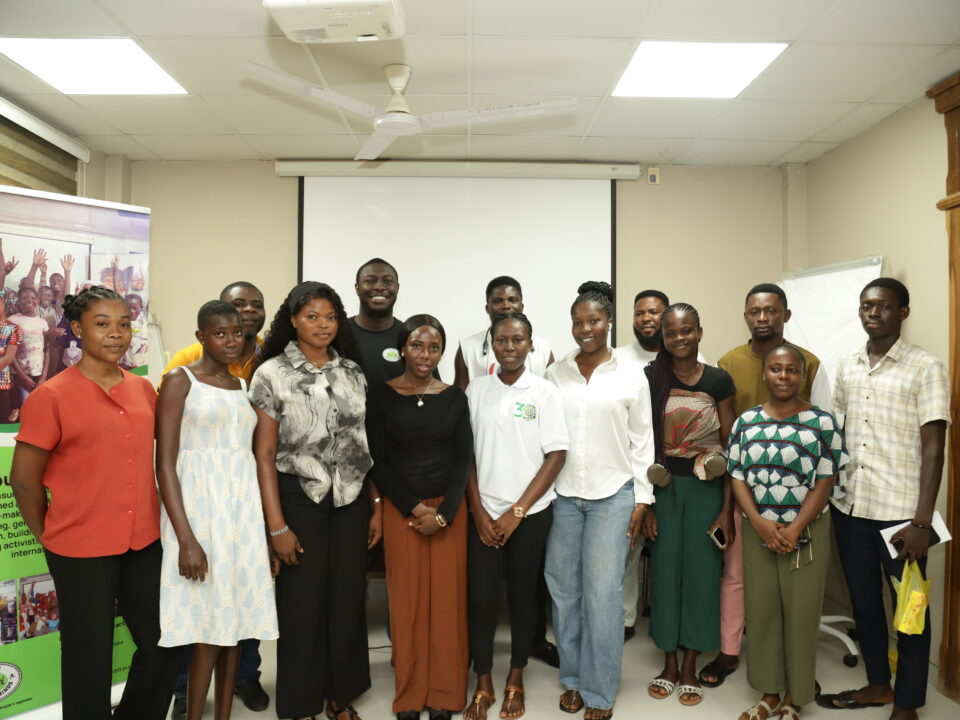
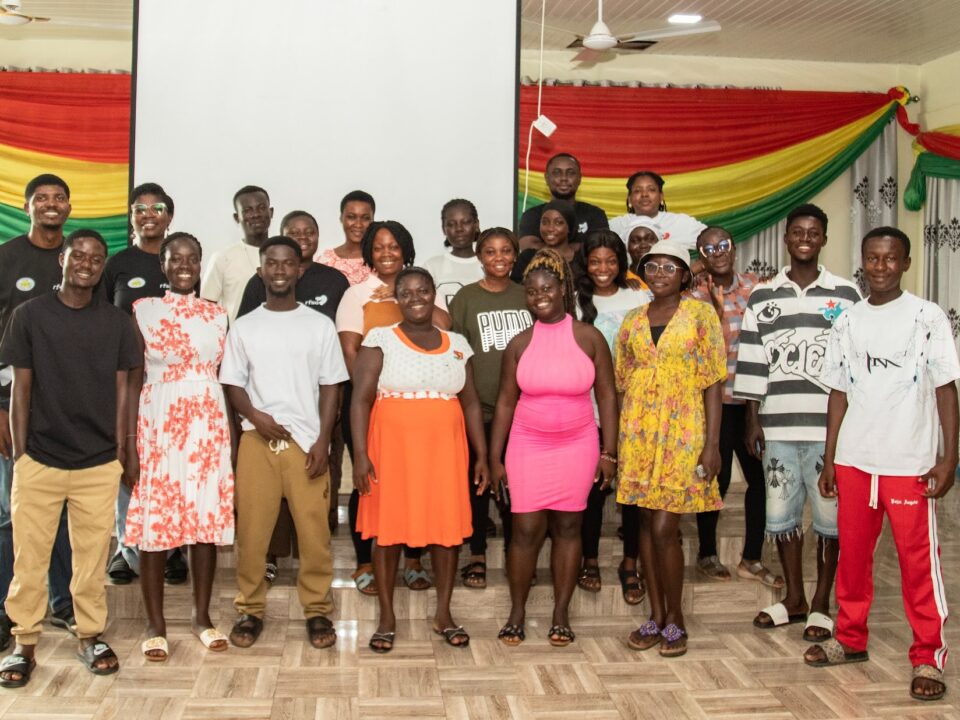
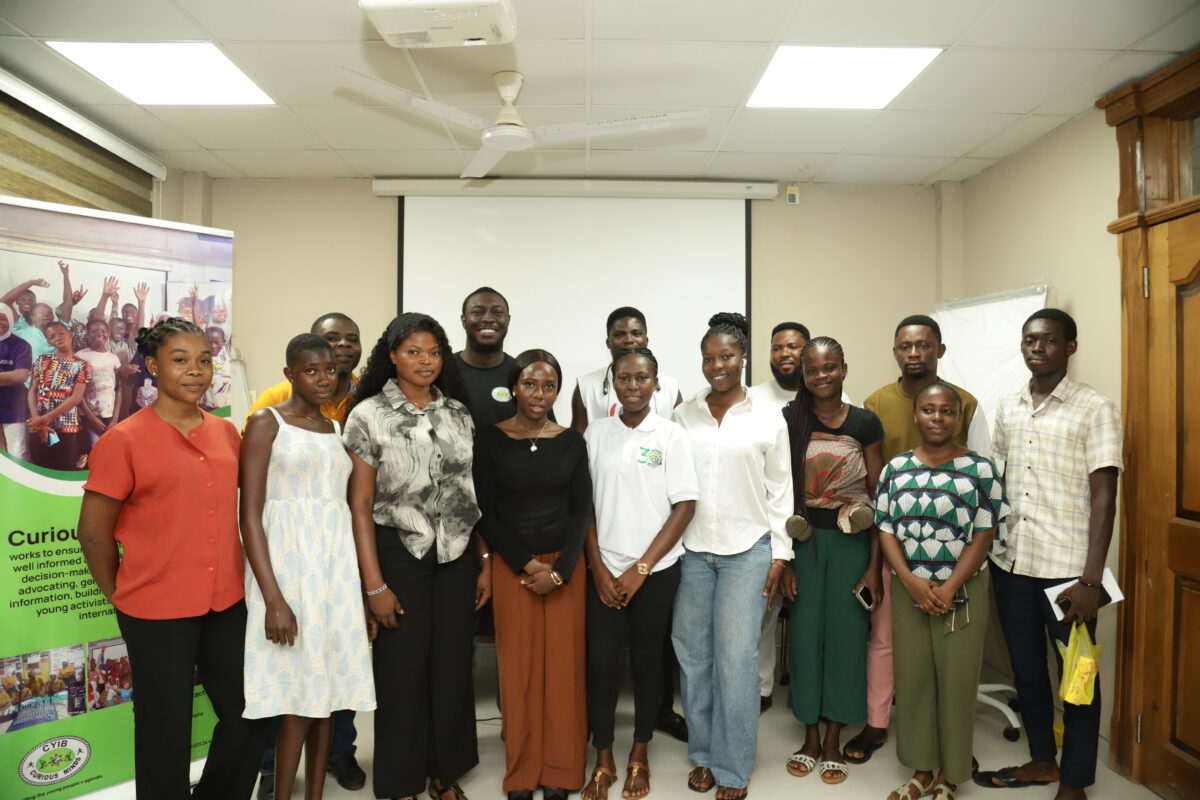
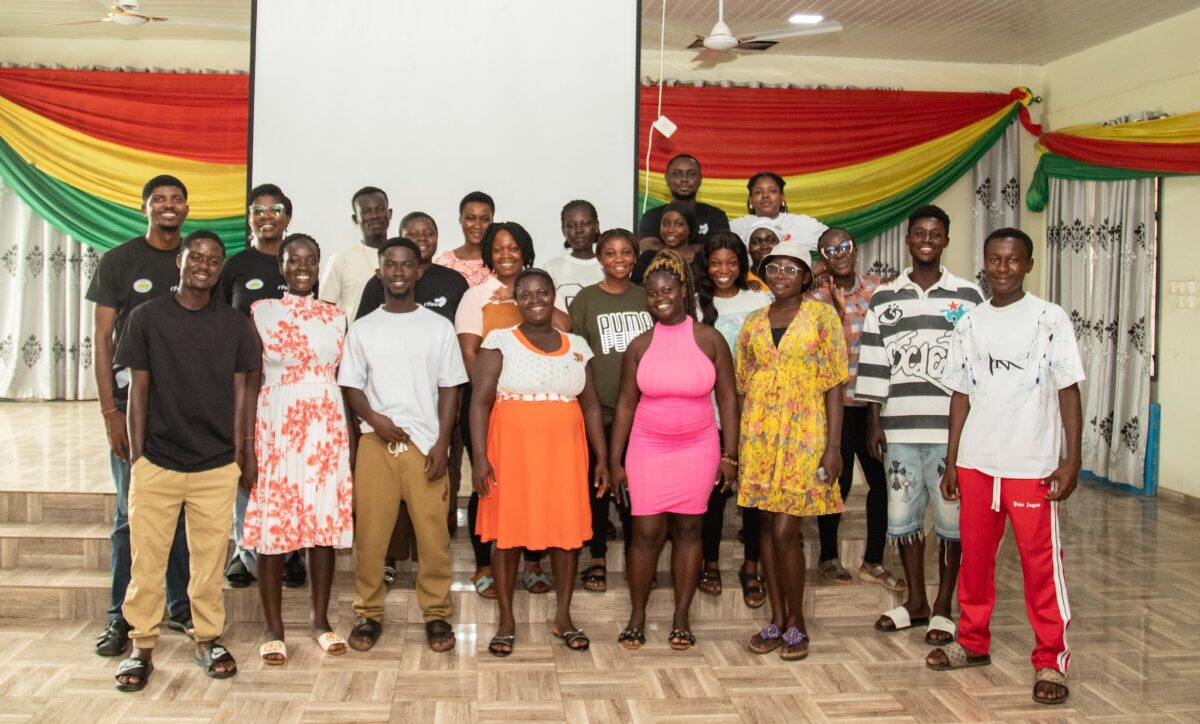
June 5, 2026On 2nd July 2026, the Alliance for Reproductive Health and Rights (ARHR) convened advocates and stakeholders in Dodowa for a one-day meeting to validate a draft Gender-Transformative Reproductive Health Education (RHE) Toolkit and to collectively address the practical challenges advocates face in providing accurate reproductive health education to young people, both online and offline. Curious Minds Ghana was represented at the session by two members of its Secretariat.
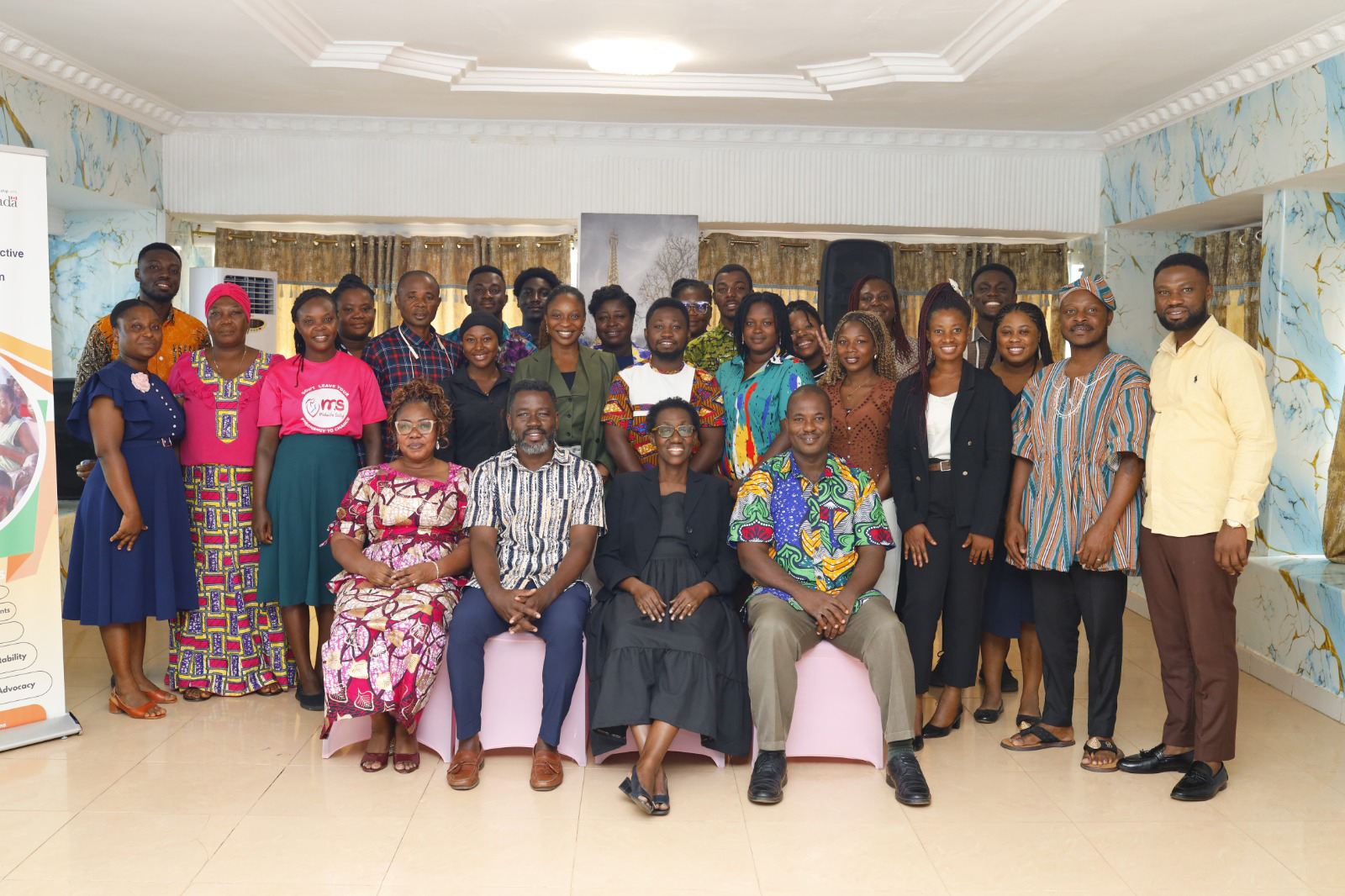
The meeting brought together a cross-section of institutions working at the forefront of adolescent sexual and reproductive health, including Planned Parenthood Association of Ghana, MSI Reproductive Choices Ghana, Curious Minds Ghana, the Ghana Health Service, nurses and midwives, parents, and community-based SRHR advocates.
The Toolkit, developed by ARHR through a participatory co-creation process involving parents, adolescents, and community stakeholders, is designed specifically for out-of-school adolescents. It covers gender and power, bodily autonomy, puberty and sexual development, healthy relationships, contraception and STI prevention, gender-based violence, harmful practices, digital safety, and positive masculinities and femininities.
As the Toolkit moves towards finalisation, ARHR used the meeting to gather feedback from advocates closest to the communities it seeks to serve, creating a space to test, refine, and strengthen the resource.
The day was structured around two sessions: a module-by-module review of the Toolkit and its accompanying Facilitator’s Guide, followed by a facilitated mapping of the barriers advocates encounter in reaching adolescents with quality RHE content.
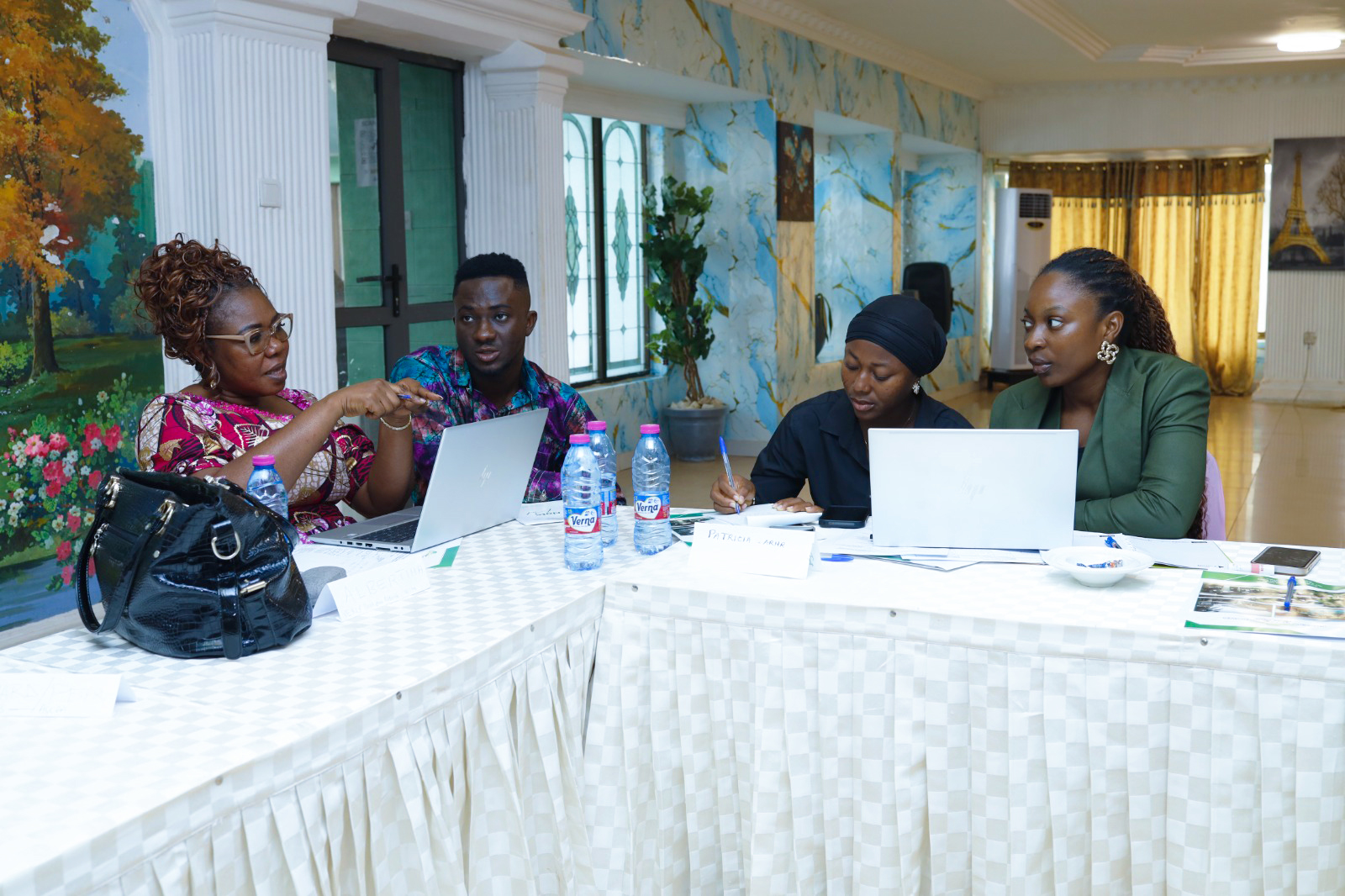
The Toolkit and Facilitator’s Guide review was guided by Francesca Pobee-Hayford, while the session on barriers to adolescents’ access to accurate SRHR information was led by Daniel Obloni Kweitsu.
The review sessions were interactive and collaborative, drawing out a wide range of views from participants before settling into consensus on several fronts. Participants critically examined the draft materials, and their feedback is expected to be incorporated ahead of the Toolkit’s finalisation and launch.
Among the concerns raised, participants noted the absence of a dedicated section addressing the digital space and how it could be leveraged to educate young people on SRHR, an increasingly important entry point given how much of adolescent life now plays out online. They also flagged the need for a more deliberate section engaging parents and guardians, who remain key gatekeepers in adolescents’ access to reproductive health information.
Participants further recommended that the technical language in the Toolkit be simplified so that out-of-school facilitators can use it with ease and called for the inclusion of more activity-based sessions, particularly ones that engage community gatekeepers alongside the Facilitator’s Guide. Other suggestions included translating the Toolkit into local languages, producing audio versions across those languages to widen its reach, and incorporating psychosocial counselling as part of the content.
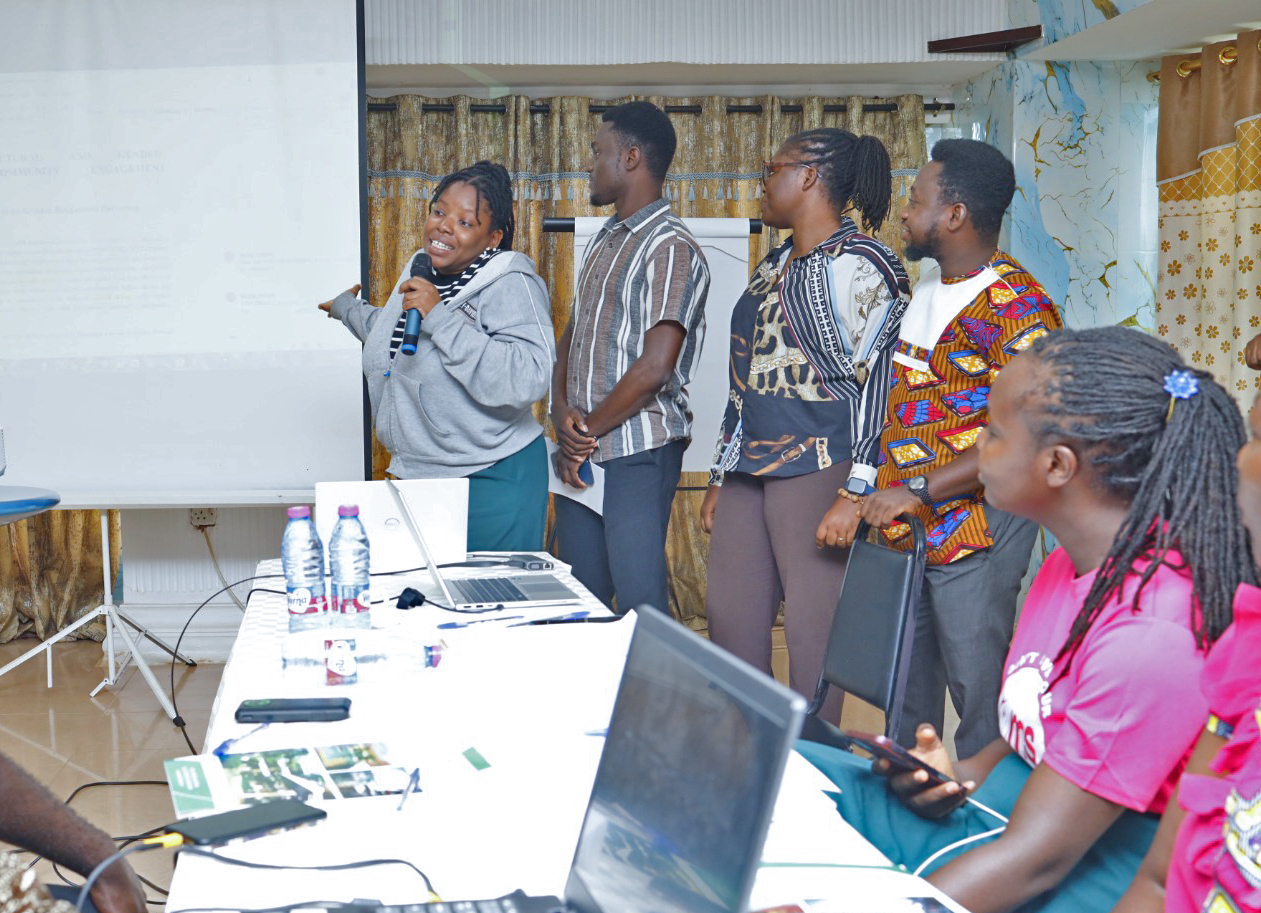
Beyond the Toolkit review, the meeting created space to unpack the everyday challenges that prevent adolescents from accessing accurate SRHR information. A dedicated session helped participants map out the structural and social barriers involved, and stakeholders worked collectively to identify practical action steps and solutions to close these gaps.
The meeting closed with participants expressing a shared commitment to strengthening the RHE Toolkit for the benefit of adolescents across the country. With feedback from the session set to be fed directly into the finalisation process, ARHR, alongside participating organisations including Curious Minds Ghana, moves a step closer to delivering a validated, community-informed resource into the hands of the advocates and facilitators working to advance the sexual and reproductive health and rights of young people in Ghana.