Empowering Youth Champions to Combat Teenage Pregnancy in Asene Manso Akroso District
June 1, 2026
Curious Minds Joins Advocates to Review Gender-Transformative RHE Toolkit and Tackle Barriers to Adolescent SRHR Access
July 13, 2026Curious Minds Ghana, in collaboration with UNICEF Ghana and other partners, has launched a new project titled “Empowering Young People Against Child Labour Through Civic Engagement and Skills Development.” The project is being implemented under the Child Labour Multisectoral and Multistakeholder Public-Private Partnership (PPP) initiative across four districts in Ghana: Assin South District, Ayensuano District, Asunafo North Municipality, and Bibiani-Anhwiaso-Bekwai Municipality.
The initiative seeks to address child labour by strengthening young people’s access to skills development opportunities, civic engagement, and sustainable livelihood pathways. It places young people at the centre of solutions, recognising that lasting responses to child labour must combine empowerment, participation, and access to decent opportunities.
A key component of the project is the rollout of Yoma, a digital ecosystem that connects young people to learning opportunities, skills-building programmes, mentorship, and pathways to employment and entrepreneurship. Through this platform, young people will be supported to build relevant skills, explore opportunities, and actively shape their futures.
Understanding the Yoma Platform
Yoma is a youth-focused digital platform designed to empower young people to access opportunities that enhance their learning, employability, and personal development. It provides challenges, training opportunities, and pathways that support skills acquisition and livelihood development.
Within this project, Yoma Ghana is being tailored to respond to the realities of child labour-affected communities by expanding access to practical skills, training, and livelihood opportunities that offer viable alternatives to child labour.
Stakeholder Consultations Across Four Districts
As part of the project design and localisation process, Curious Minds, with support from UNICEF Ghana and partners, conducted stakeholder consultations across the four implementing districts.
Engagements were held in Assin South, Ayensuano, Asunafo North, and Bibiani-Anhwiaso-Bekwai, bringing together District Assemblies, the Ghana Education Service (GES), the National Commission for Civic Education (NCCE), Business Advisory Centres (BACs), National Youth Authority (NYA), Youth Employment Agency (YEA), civil society actors, cocoa cooperatives, private sector representatives, community leaders, and young people.
During these consultations, stakeholders were introduced to the project’s objectives and the Yoma platform, including demonstrations on how it works and how it can be adapted to local needs.
Discussions focused on ensuring that the platform reflects community realities and strengthens existing systems that support young people.
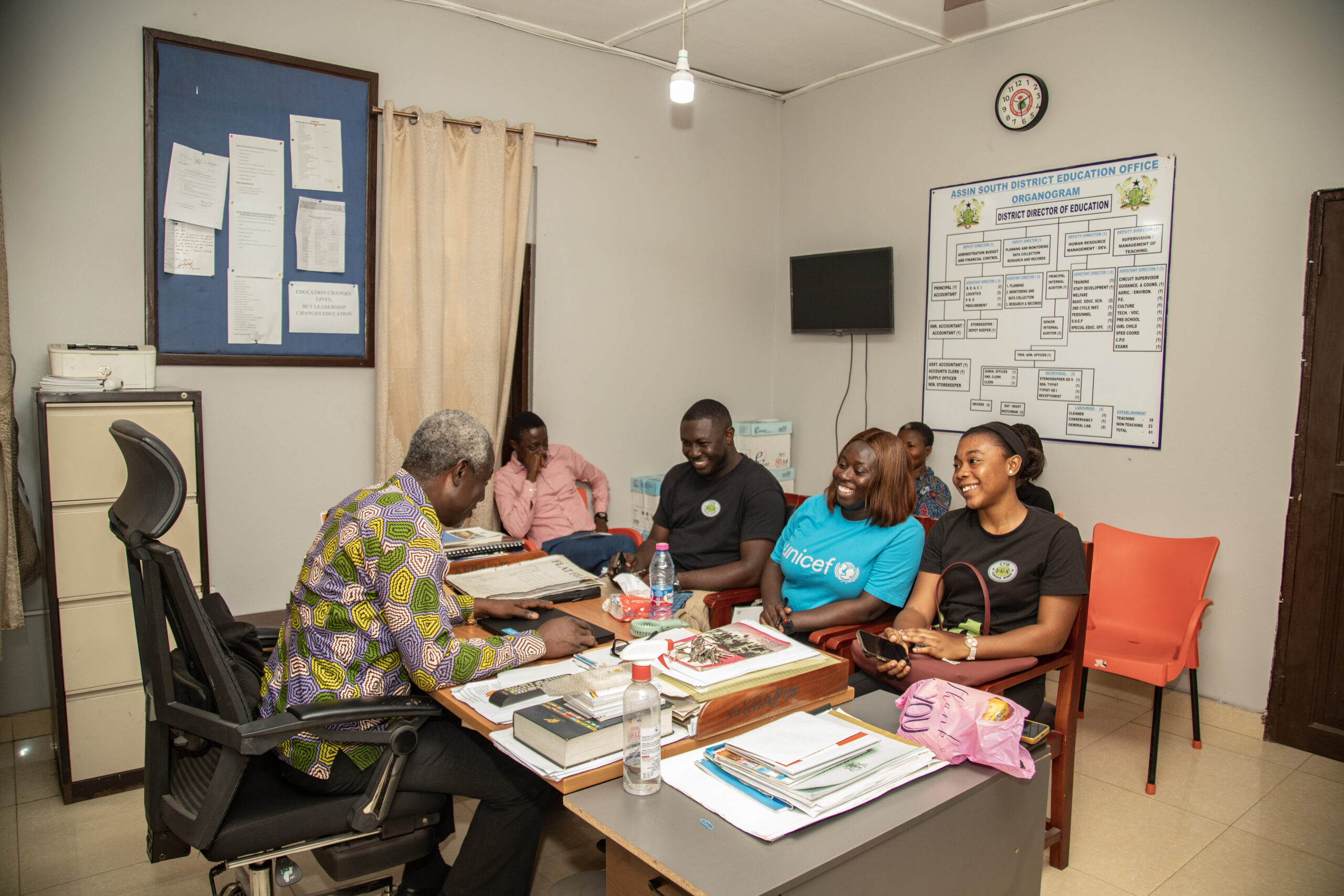
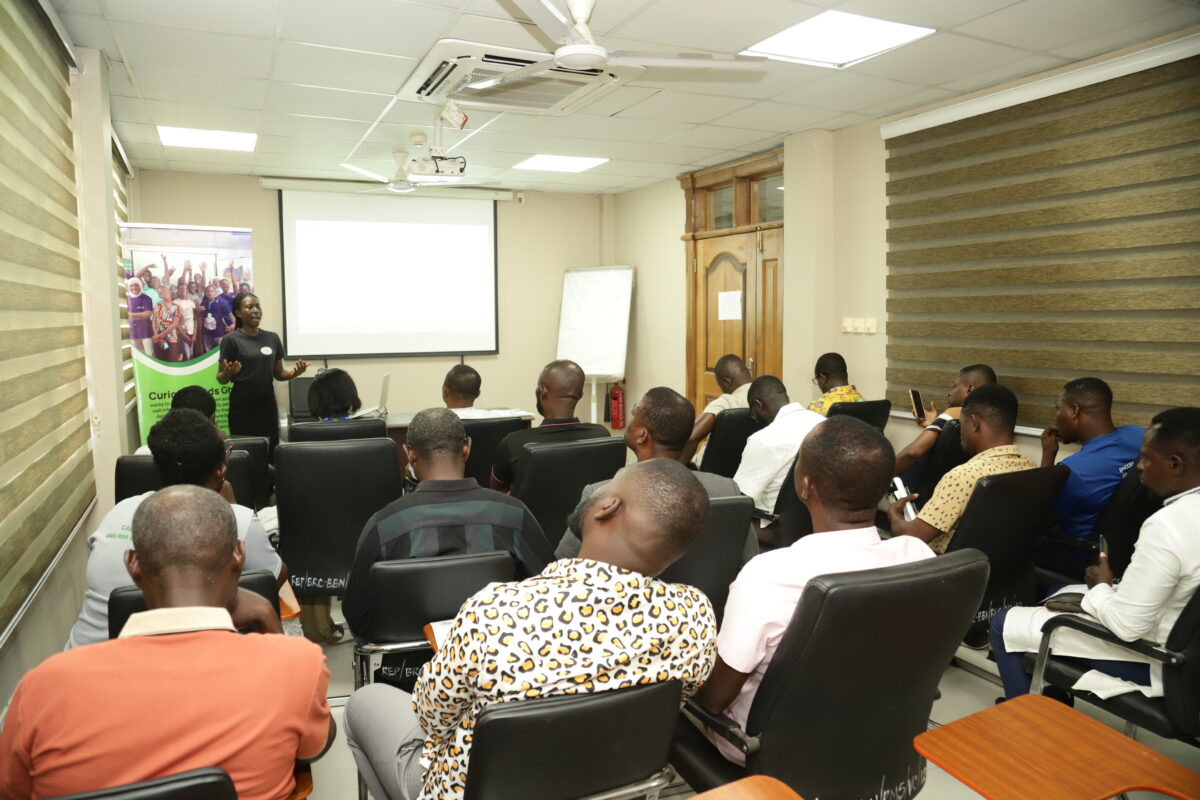
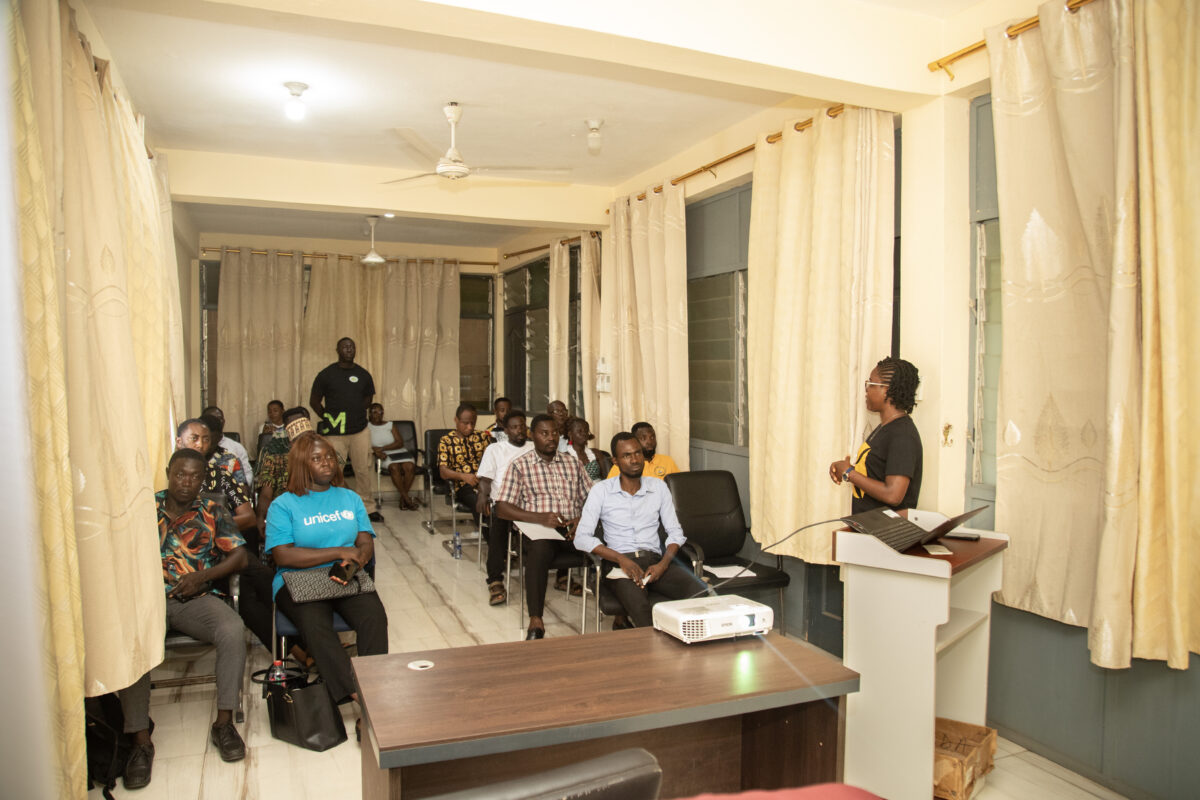
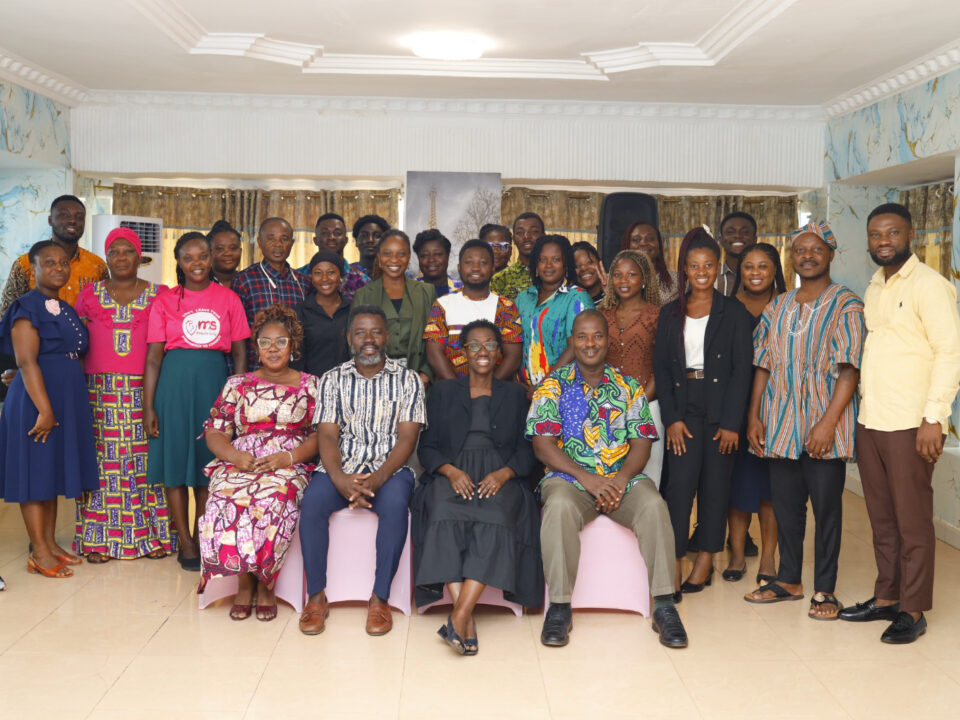
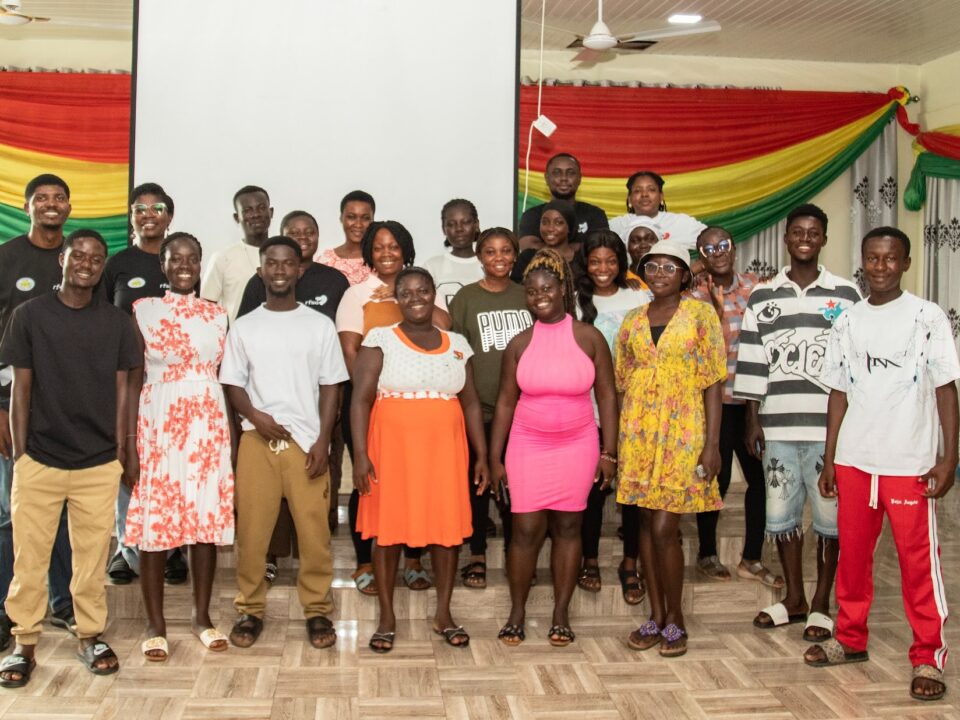
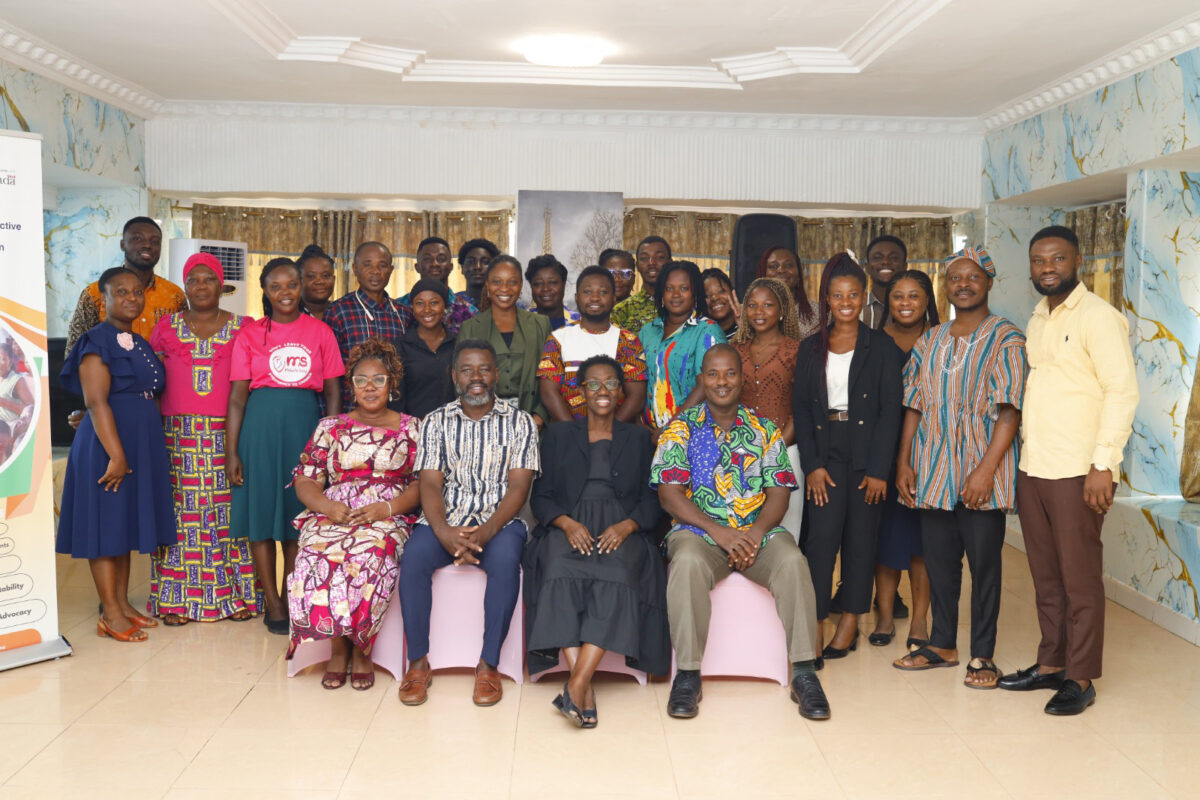
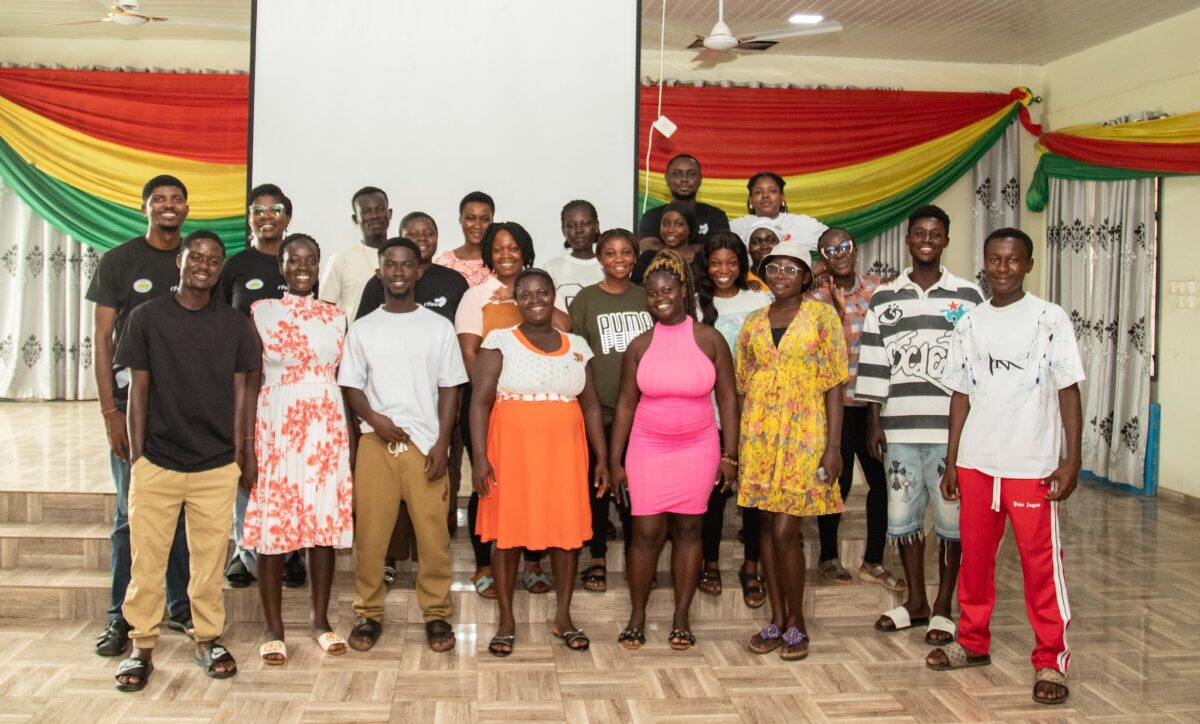
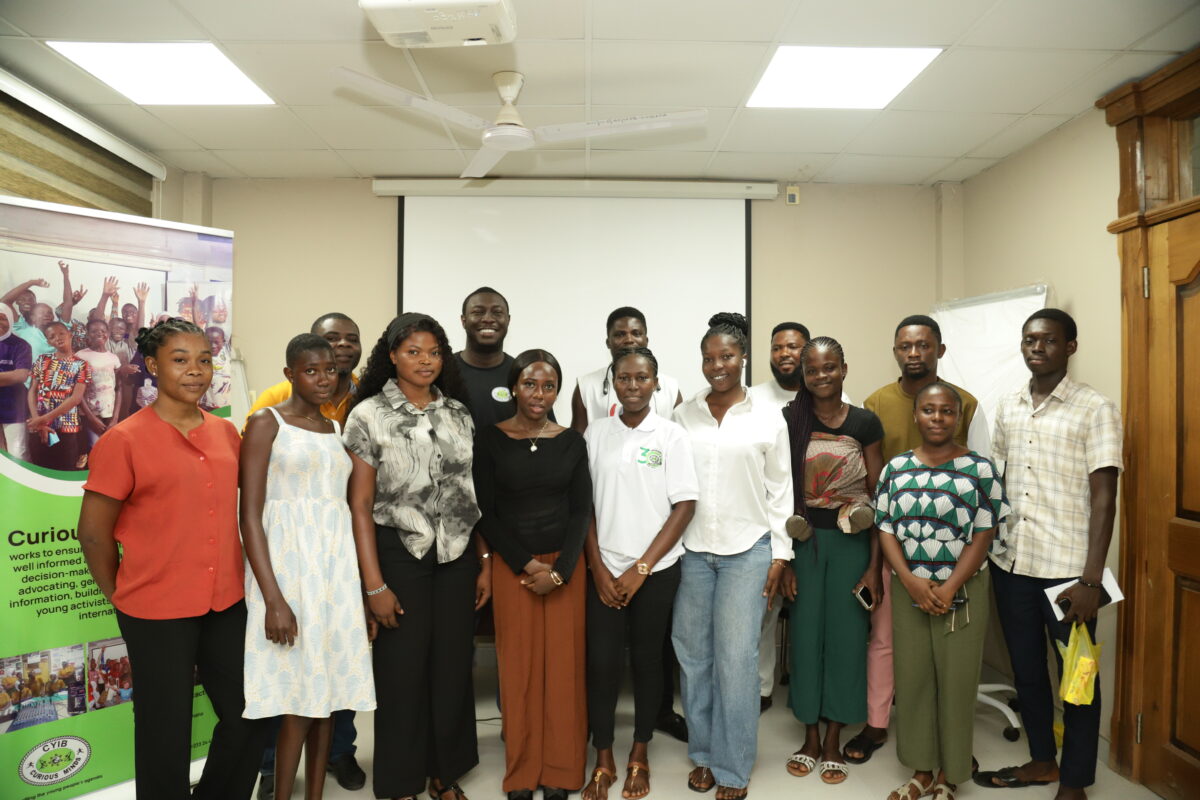
Photos of our engagement with stakeholders within the selected districts.
Key Insights from the Field
Stakeholders identified several key drivers of child labour, including economic hardship, limited access to education and skills training, and inadequate pathways to sustainable livelihoods for young people.
They also highlighted the long-term impacts of child labour on educational outcomes, community wellbeing, and future economic prospects, reinforcing the need for integrated and youth-centred solutions.
At the same time, consultations revealed strong demand among young people for practical skills development opportunities, particularly in agriculture and agribusiness, including farming, food processing, and value chain activities.
Other priority skills identified for inclusion on the Yoma platform include:
- Digital marketing and branding
- Entrepreneurship development
- Communication and leadership
- Financial literacy
- Product packaging and business readiness
- Workplace readiness skills
These are expected to strengthen both employability and self-employment pathways for young people.
Strengthening Local Systems and Opportunities
The consultations also identified existing government programmes, vocational training initiatives, and community-based mentorship systems that can be strengthened and connected through the project.
The various Business Advisory/Resource Centres highlighted additional opportunities to support youth entrepreneurship through business development services, packaging support, and market access facilitation.
The project will therefore build on these existing structures to improve coordination, avoid duplication, and enhance impact at the community level.
Addressing Barriers to Digital Access
While stakeholders expressed strong support for the initiative, they also noted key barriers that could affect participation, including limited access to digital devices, unstable internet connectivity, and varying levels of digital literacy among young people.
To address these challenges, the project will adopt a blended approach that combines digital tools with community-based engagement strategies, ensuring inclusivity and accessibility for all young people.
A Youth-Centred and Participatory Approach
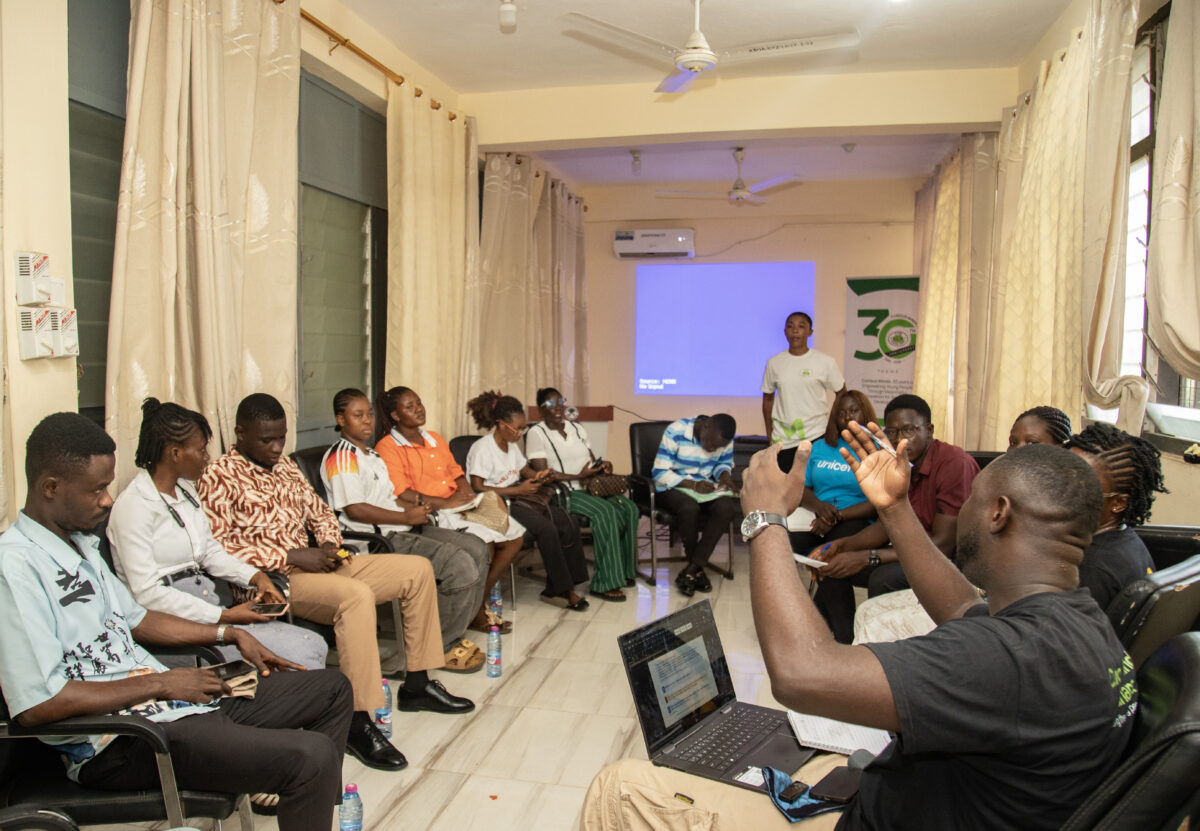
A core principle of the initiative is ensuring that young people are not only beneficiaries but active contributors to solution design and implementation.
The insights gathered across the four districts will directly inform the localisation and strengthening of the Yoma Ghana to ensure it responds effectively to community needs and youth aspirations.
Looking Ahead
The launch of this initiative marks a significant step in strengthening coordinated, multi-sectoral responses to child labour in Ghana through the Child Labour Public Private Partnership framework.
By combining digital innovation, civic engagement, and skills development, Curious Minds Ghana and partners aim to expand opportunities for young people and reduce their vulnerability to child labour.
Implementation will continue in close collaboration with UNICEF Ghana, government institutions, private sector actors, and community stakeholders, and young people to ensure meaningful and lasting impact across Assin South, Ayensuano, Asunafo North Municipal, and Bibiani-Anhwiaso-Bekwai Municipal.