
We’re Hiring: Digital Communications Officer
April 8, 2026
Curious Minds Launches Project to Empower Young People Against Child Labour Through Civic Engagement and Skills Development
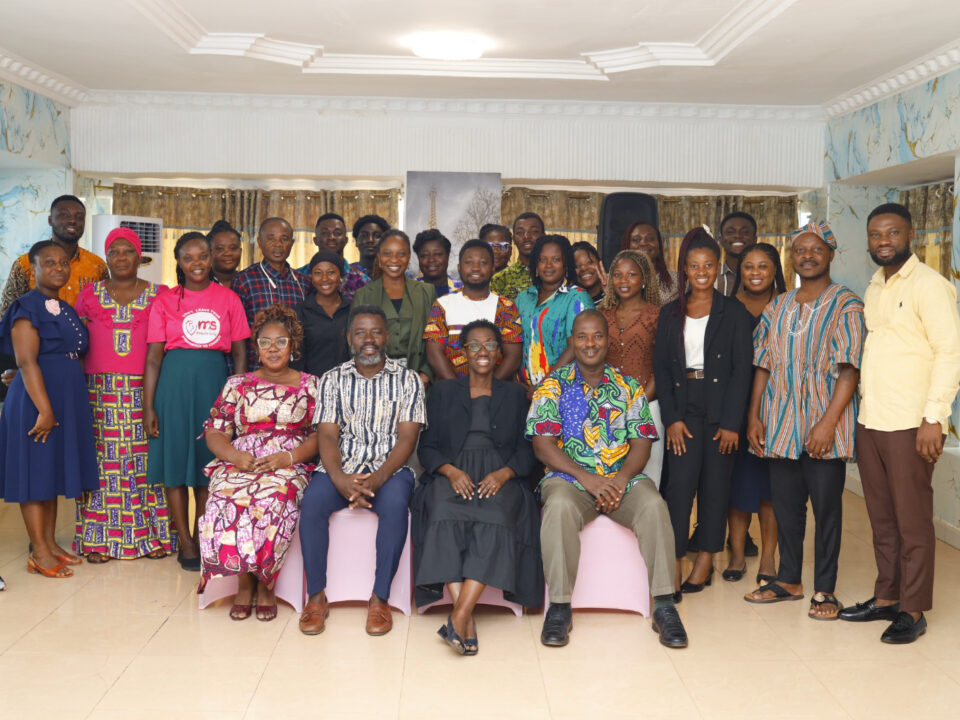
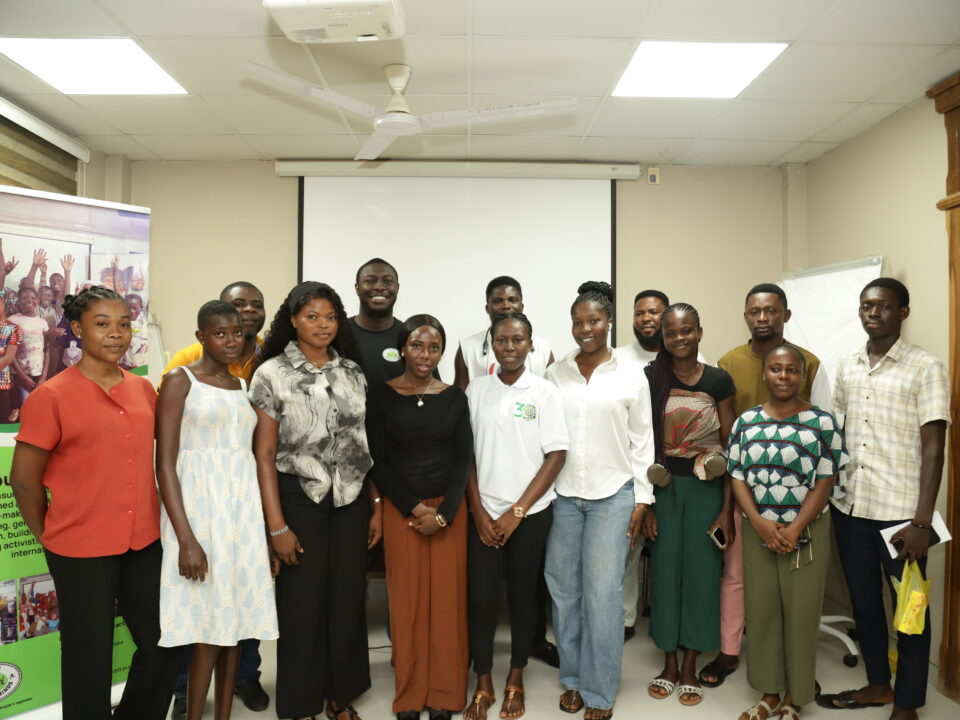
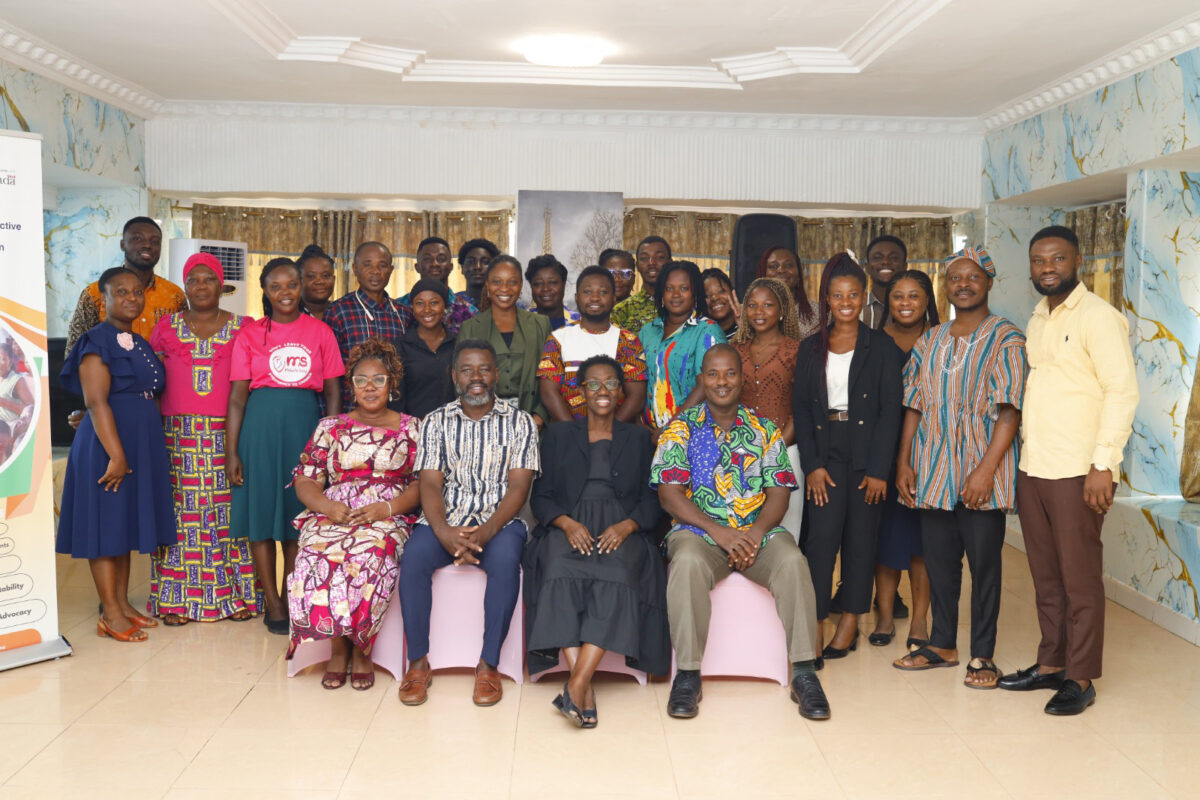
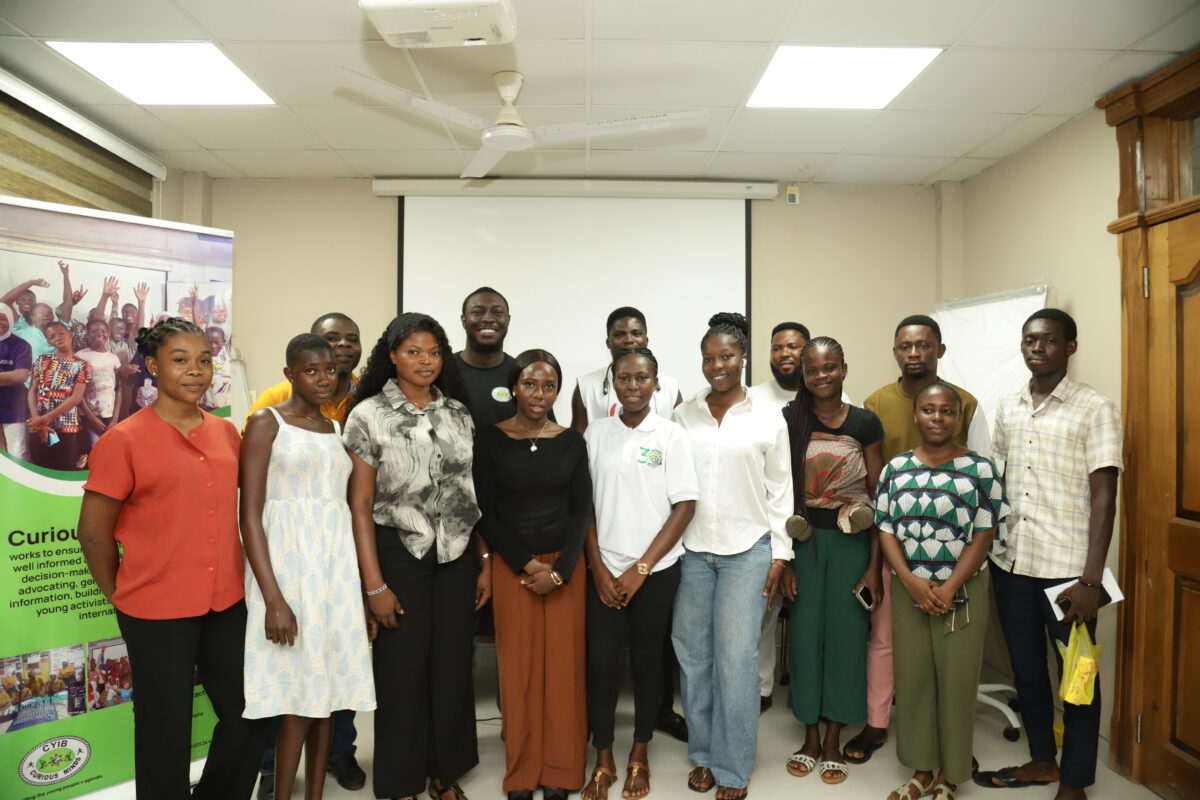
June 5, 2026In May, Curious Minds Ghana organized a two-day capacity-building workshop for the third cohort of Sexual and Reproductive Health Youth Champions in the Asene Manso Akroso District, as part of our Sustainable Development Through Quality SRHR project. The training brought together twenty (20) young people from Akroso, Manso, Asene, and Asuboa, expanding the network of peer educators committed to championing Sexual and Reproductive Health and Rights (SRHR) within their communities.
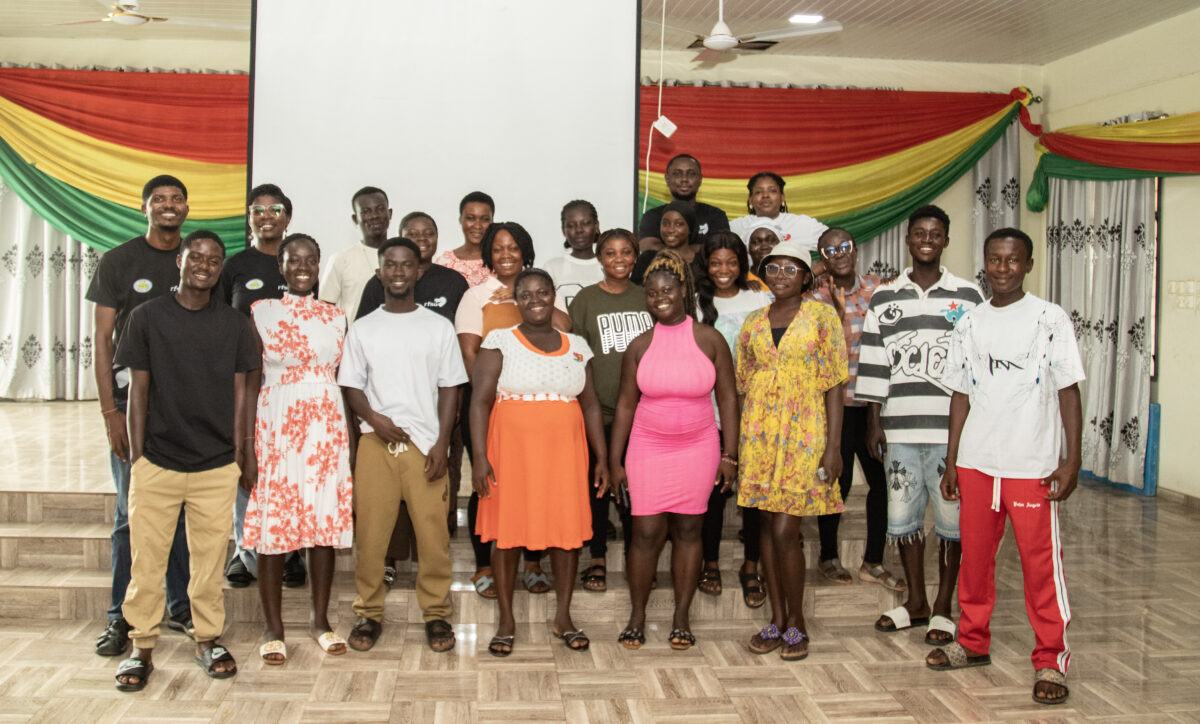
The workshop created a safe and interactive space for young people to learn, share experiences, and openly discuss issues affecting adolescents and youth. Participants were introduced to menstruation and its stages, menstrual hygiene management, and the importance of breaking stigma around periods. The session further covered menarche, the different types of sanitary products including disposable and reusable pads, as well as menstrual cups.
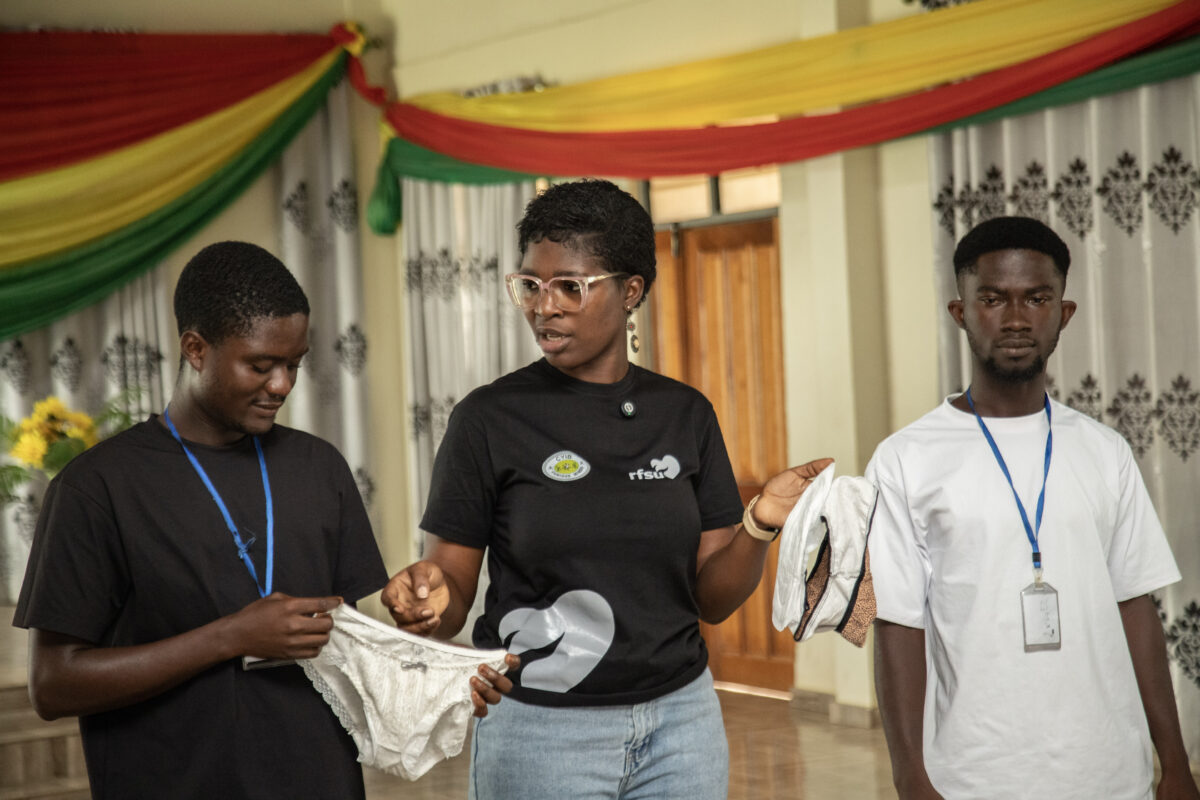
To ensure inclusivity, both girls and boys actively participated in practical demonstrations on how to fix a sanitary pad in a pantie, reinforcing the idea that menstrual health conversations should involve everyone, not only girls. The participatory approach encouraged confidence, empathy, and understanding among the youth champions.
Other sessions and discussions also focused on abstinence, contraception, and the importance of family planning. These conversations sparked meaningful peer-to-peer engagement, with participants openly sharing perspectives and personal experiences related to adolescent reproductive health challenges in their communities.
On the second day, the District Social Welfare Officer, Stella Esaaba, joined the training to facilitate simulations based on real-life challenges faced by young people, including broken homes, stigma, and teenage pregnancy. Through role plays and group discussions, participants explored the emotional, social, and economic effects of these issues on young people and their families.
The simulations enabled the youth champions to develop innovative ideas and practical strategies for addressing adolescent pregnancy and promoting healthy decision-making among their peers. Participants also learned how to confidently lead meaningful SRHR discussions within schools, churches, and community forums.
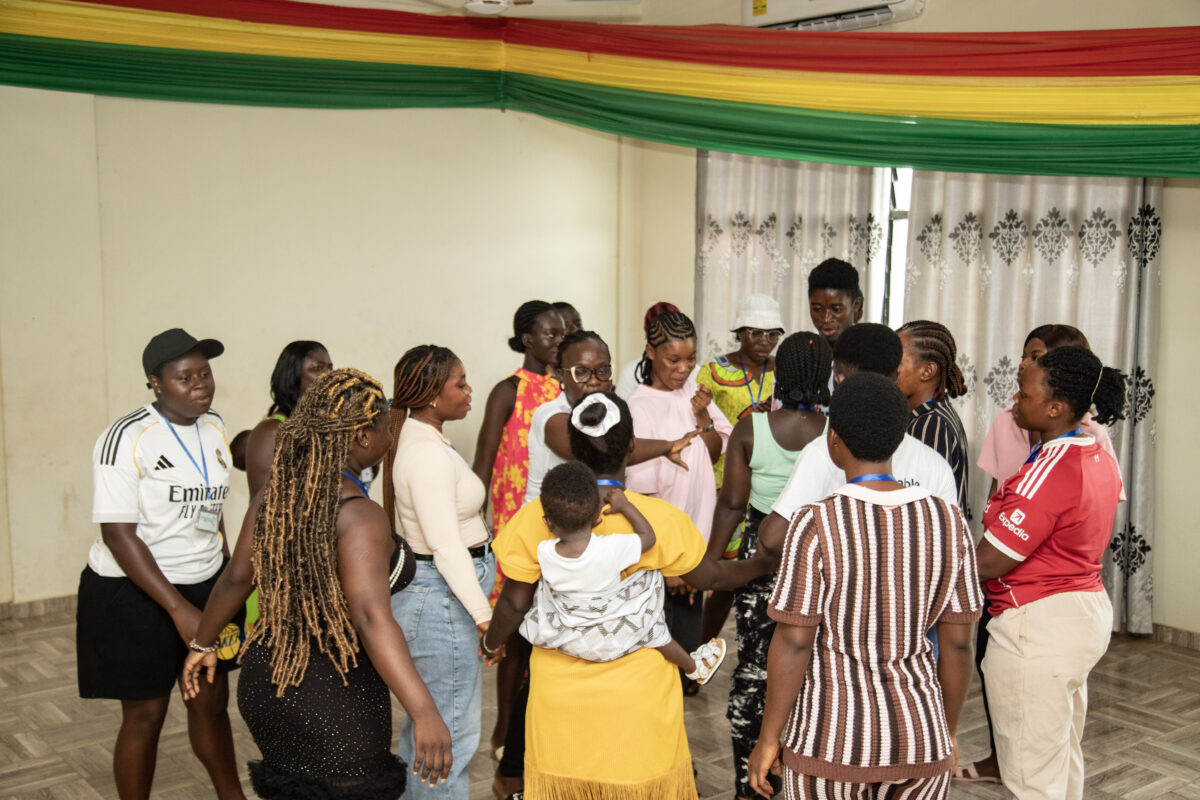
Recognizing that conversations about abstinence and contraception cannot be complete without addressing personal boundaries and respect, the training concluded with a session on consent. Participants discussed the importance of seeking consent before engaging in sexual activity and reflected on how societal expectations often silence boys and young men who experience sexual coercion or abuse. The session sparked honest and thought-provoking conversations among the youth champions, highlighting the need for more inclusive discussions on consent and gender norms.
The workshop also highlighted the growing impact of previous cohorts. Following earlier capacity-building sessions, youth champions from the second cohort successfully led community discussions on menstrual hygiene, adolescent pregnancy, stigma, and the role of society during church events and community durbars. Their leadership and visibility within their communities inspired other young people to express interest in joining the third cohort.
Through initiatives like this, we continue to empower young people with knowledge, confidence, and leadership skills to become advocates for positive change within their communities.